Weather alerts that still work when the internet does not
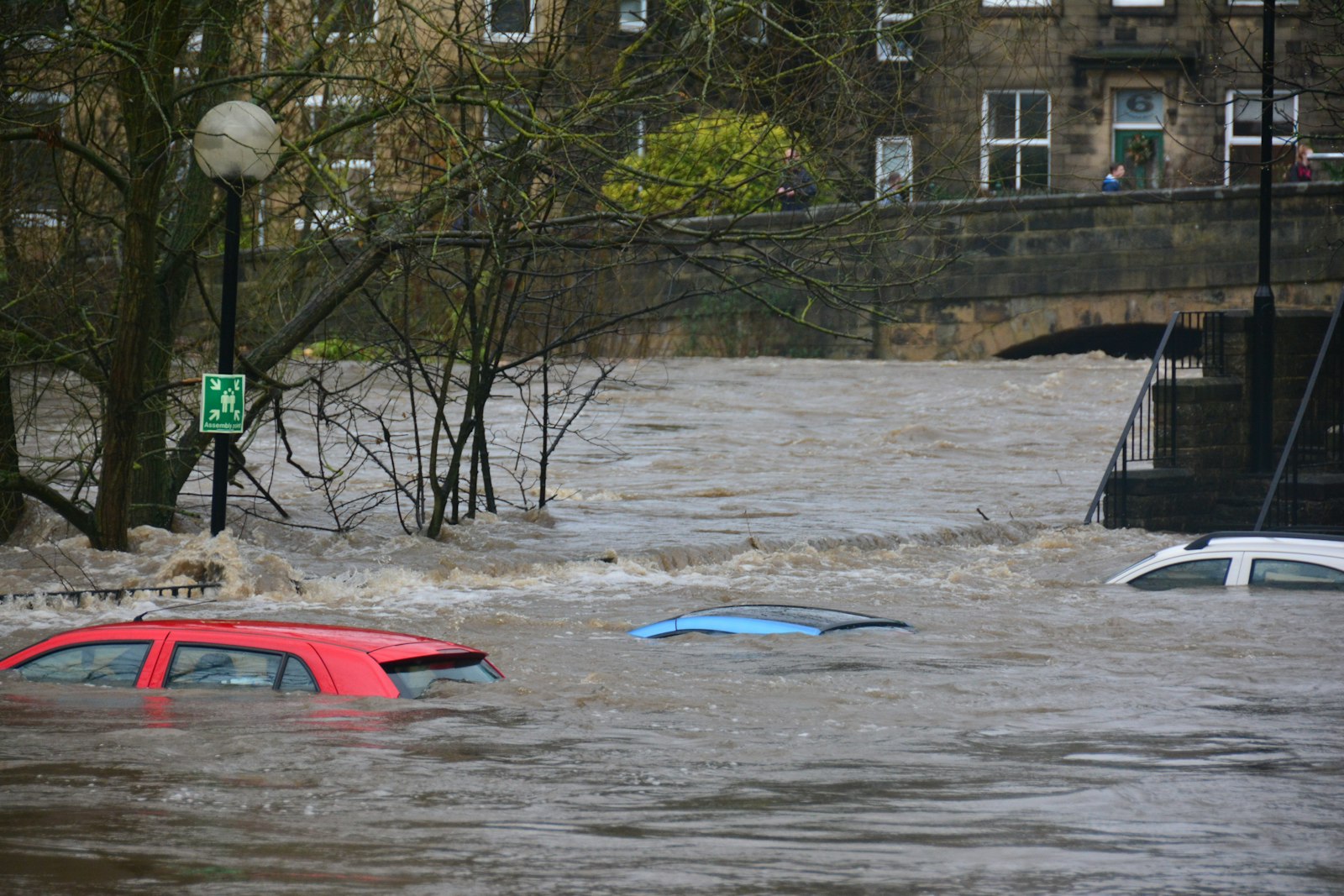
A forecast is only useful if it reaches you. During El Niño, the events that matter locally are often flash floods, high surf, landslides, or a long dry spell, and the warning may arrive while the power is out.
Turn on the alerts you already have
On a phone, enable government emergency alerts and the notifications from your national weather service. In the United States that includes Wireless Emergency Alerts and local National Weather Service warnings. Other countries use their own civil-defense or meteorological apps. Allow alerts even when the phone is on silent if the system offers that choice.
Pick one local radio station and one official source, and write both into the family plan. Do not rely on a single social media account.
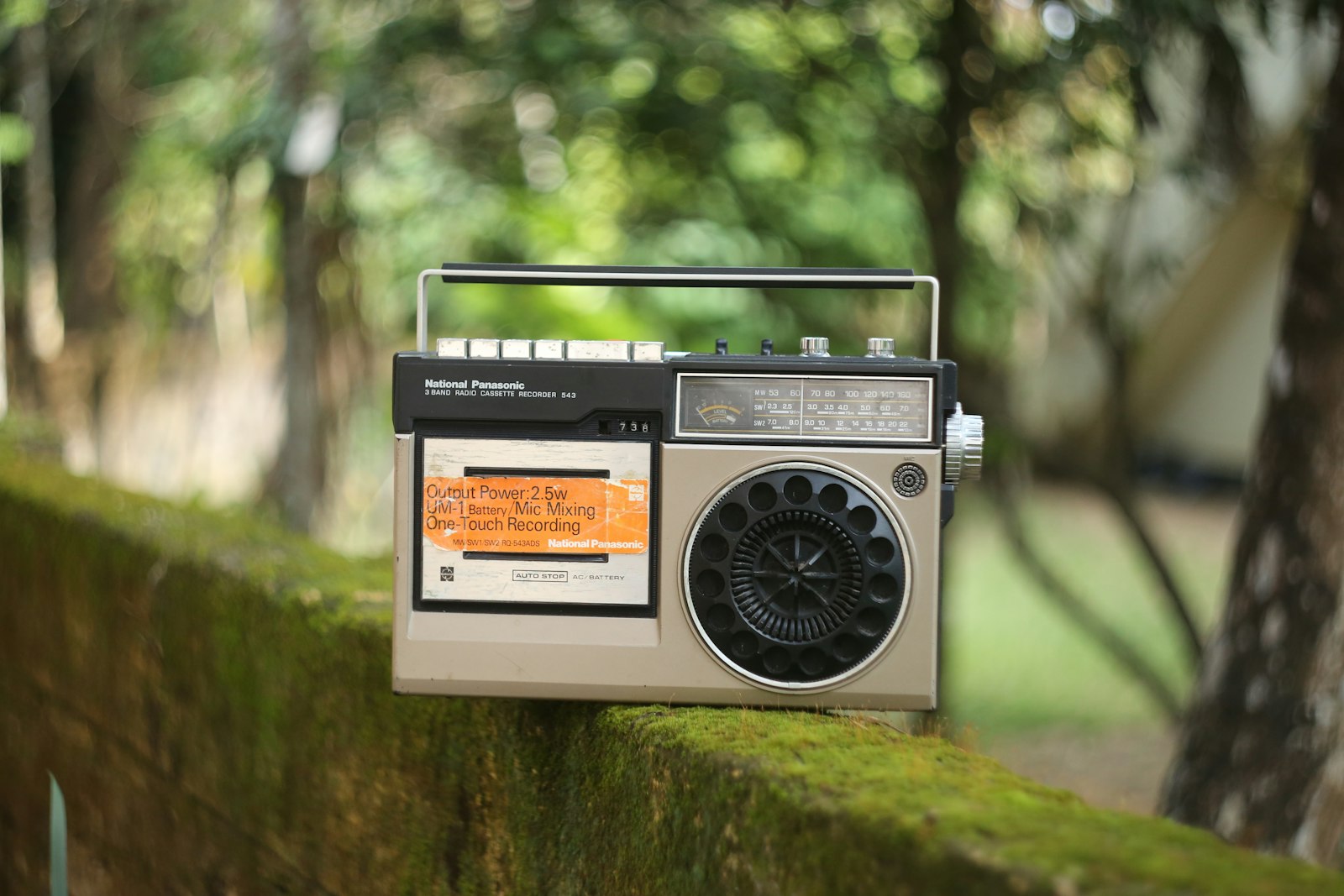
Add a radio that does not need Wi-Fi
A NOAA Weather Radio is the specific backup in the United States: it can sound an alarm for warnings in your county, including while you are asleep. Elsewhere, a battery or hand-crank radio tuned to the national broadcaster does the same job. Put spare batteries next to it, or choose a radio that can also charge from a hand crank or a small solar panel.
Test the radio on a calm day. Learn which channel is the weather channel, and which is the station that stays on the air in a disaster. A radio still in the box does not count.
Supplies to look at
Some links on this site are Amazon affiliate links. If you buy through them, we may earn a commission at no extra cost to you.
NOAA or emergency weather radio
In the United States, choose a radio labeled for NOAA Weather Radio with an alarm. Elsewhere, a battery radio that receives your national station is the equivalent.
View on AmazonExtra batteries
Buy the size the radio and the flashlights share, and replace them on a set month each year.
View on Amazon